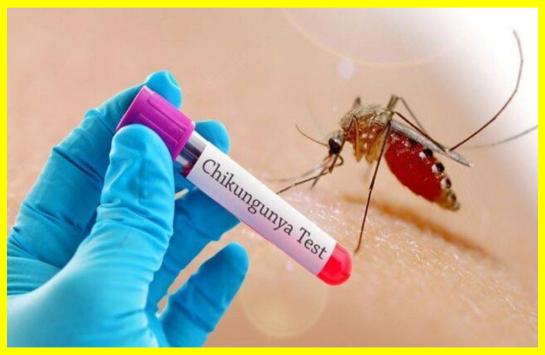
Chikungunya virus in Europe: Risk of outbreak in 29 countries due to global warming
British researchers have issued a serious warning: the tropical mosquito-borne disease Chikungunya could soon trigger local outbreaks across large parts of Europe. According to a new study by the UK Centre for Ecology & Hydrology (UKCEH) published in February 2026, the virus now poses a realistic threat in 29 European countries.
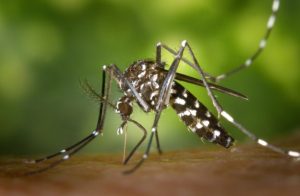
Previously considered a disease limited to hot tropical regions, Chikungunya is rapidly becoming a European concern as rising temperatures allow its main carrier — the Asian tiger mosquito (Aedes albopictus) — to thrive in more temperate climates. Source: The Guardian.
What is Chikungunya and Why Should We Be Concerned?
Chikungunya is an alphavirus transmitted only by infected mosquitoes. It causes sudden high fever, severe headache, skin rash, and — most characteristically — intense, debilitating joint pain that can make walking extremely difficult. The name comes from the Makonde language and literally means “that which bends up.”
While death is rare, the disease can be dangerous for young children, elderly people, and those with weakened immune systems. Even more worrying: up to 40% of recovered patients continue to suffer from chronic arthritis for years, sometimes even five years or longer after infection.
Which European Countries Are at Highest Risk?
The UKCEH study shows that under current climate conditions, local transmission of Chikungunya by mosquitoes is now possible for:
- More than 6 months a year in Spain, Portugal, Italy, Greece and other southern European nations;
- 3 to 5 months a year in France, Germany, Belgium, Switzerland, Austria, Hungary and many other countries;
- Up to 2 months a year even in parts of southern England.
In total, 29 European countries are now considered at risk if the virus is introduced by infected travelers.
Why Is This Happening Now?
The main reasons are clear:
- Europe is warming almost twice as fast as the global average;
- The invasive Asian tiger mosquito has already established populations in 16 EU countries and continues to spread north;
- Increased travel between Europe and tropical regions where Chikungunya is endemic.
Lead author Sandeep Tegar from UKCEH said: “Our latest projections are concerning. The temperature threshold needed for the virus to spread is now being reached much earlier and lasting significantly longer across Europe.”
Video. What is Chikungunya Virus? | All You Need to Know About Chikungunya Virus.
How to Protect Yourself
There is currently no specific treatment for Chikungunya, but a vaccine (Ixchiq) has been available since 2023. The best protection is prevention:
- Use strong insect repellents (DEET or picaridin);
- Wear long sleeves and trousers during the day;
- Remove standing water around your home;
- Use window screens and bed nets.
Anyone returning from a warm country who develops high fever and severe joint pain should see a doctor immediately and mention possible Chikungunya exposure.
The spread of Chikungunya into Europe is yet another clear sign of how climate change is reshaping the geography of infectious diseases. Without strong mosquito control measures, scientists warn that outbreaks could become more frequent in the years ahead.