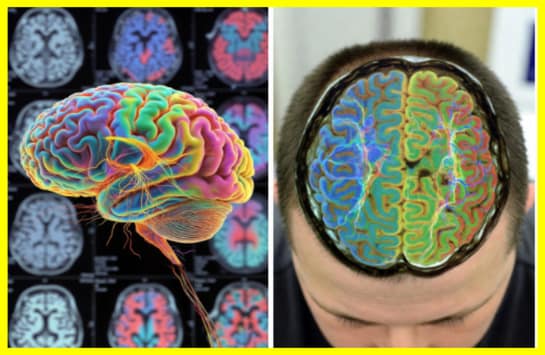
Adolescence Doesn’t End at 25 — It Lasts Until Age 32, According to Cambridge Scientists
For decades, society has considered adulthood to begin somewhere between 18 and 25. But a groundbreaking new study from the University of Cambridge has turned this idea upside down: adolescence in the human brain lasts until age 32.
The findings, widely reported by outlets like the Daily Mail, are based on one of the largest brain imaging studies ever conducted.
The 5 Major Stages of Human Brain Development
Using advanced diffusion MRI scans, researchers analyzed the brains of nearly 4,000 people aged from birth to 90. The results revealed that the human brain goes through five distinct evolutionary stages throughout life:
- Childhood (0–9 years) – Rapid restructuring and growth. The brain prunes unnecessary synapses in a process called “network consolidation,” keeping only the most efficient connections.
- Adolescence (9–32 years) – The brain’s architecture becomes increasingly complex and optimized. This is the peak period for cognitive flexibility, learning, and adaptation.
- Adulthood (32–66 years) – Brain structure stabilizes. No further gains in efficiency occur — this is the longest and most productive phase.
- Early aging (66–83 years) – Gradual decline in white matter integrity begins, slowing processing speed.
- Late aging (after 83) – Significant slowdown in overall brain function.
Why Does the Teenage Brain Last Until 32?
The first major turning point occurs around age 9, when cognitive abilities make a dramatic leap. From that point until age 32, the brain continues refining and optimizing its neural networks.
Only after 32 does this development plateau, marking the true beginning of neurological adulthood. This explains why many people in their late 20s and early 30s still feel “not fully adult” — because, neurologically, they aren’t yet.
What This Means for Society
These findings could reshape education, workplace policies, and even legal definitions of adulthood. If the brain remains in an adolescent state until 32, should we reconsider expectations around responsibility, learning, and decision-making in the 20–30 age group?
The Cambridge study is a powerful reminder that human brain development is far more prolonged and complex than previously believed.
Source: University of Cambridge diffusion MRI study of ~4,000 individuals (2024–2025)
